
After firing, cartridges are typically empty because the propellant has burned and the bullet has been expelled from the barrel. In firearms, the cartridge casing is usually ejected from the weapon after firing, leaving it empty.
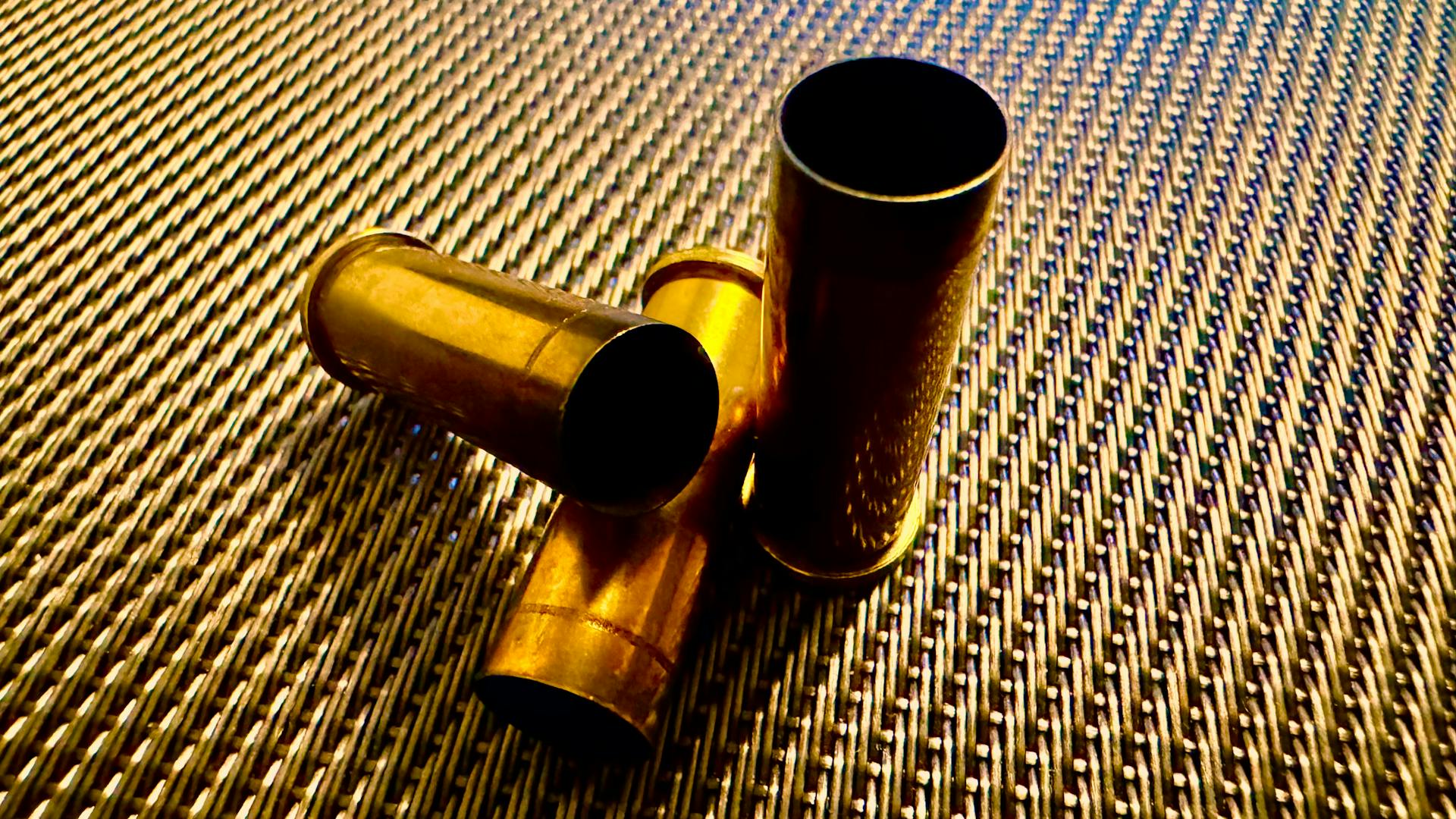
For semi-automatic or automatic firearms, the empty casing is extracted and ejected by the action, while in revolvers, it remains in the cylinder until manually removed.
In some cases, such as a squib load, the bullet may not fully exit the barrel and can become lodged, but the cartridge case is still considered empty after firing.
If a cartridge fails to eject properly (a failure to eject), it may remain in the chamber, but it is still empty of propellant and projectile.
For non-firearm contexts like vape cartridges, “empty” means the oil has been fully vaporized, and no more vapor is produced. In printers, “empty” refers to ink depletion, though refilled cartridges may falsely display this status due to chip issues.